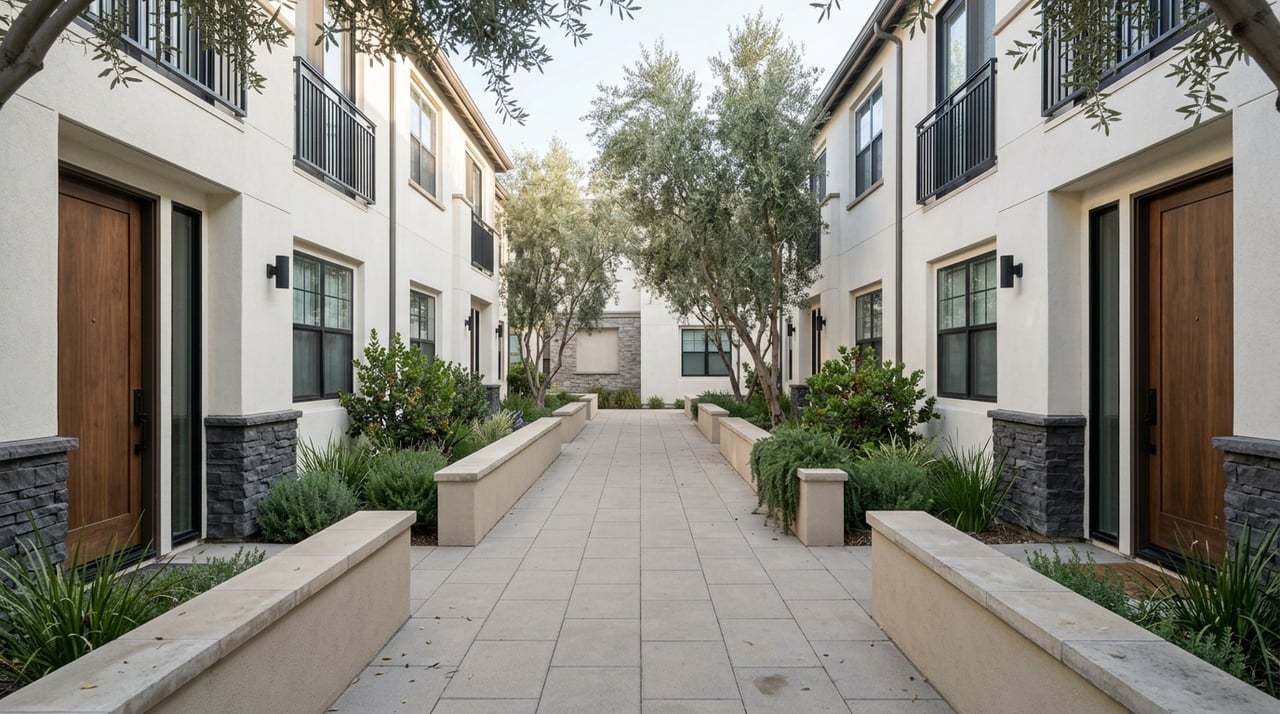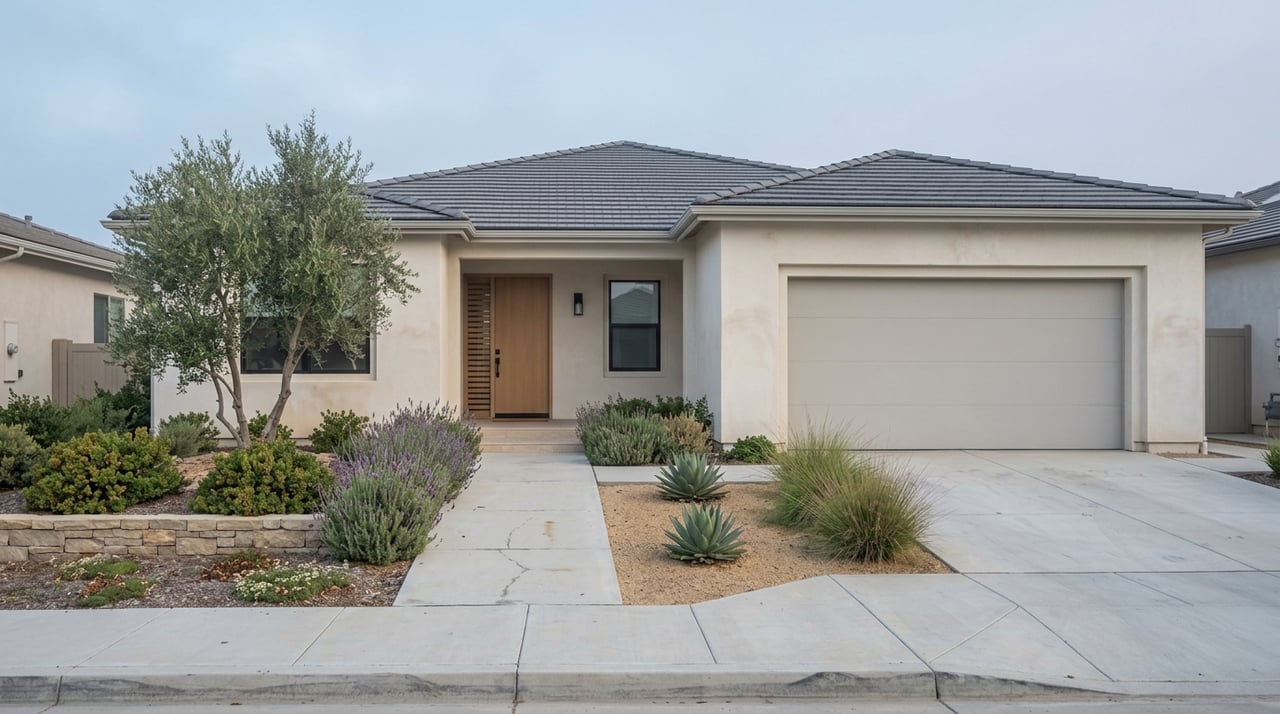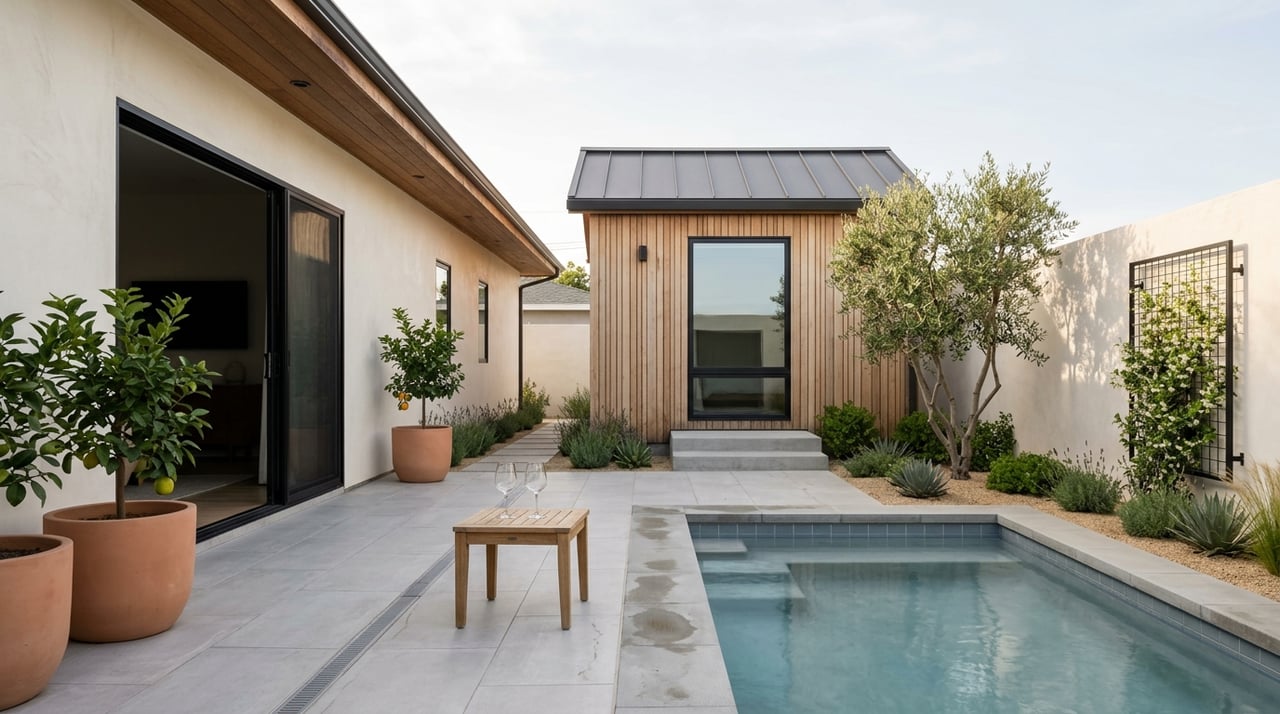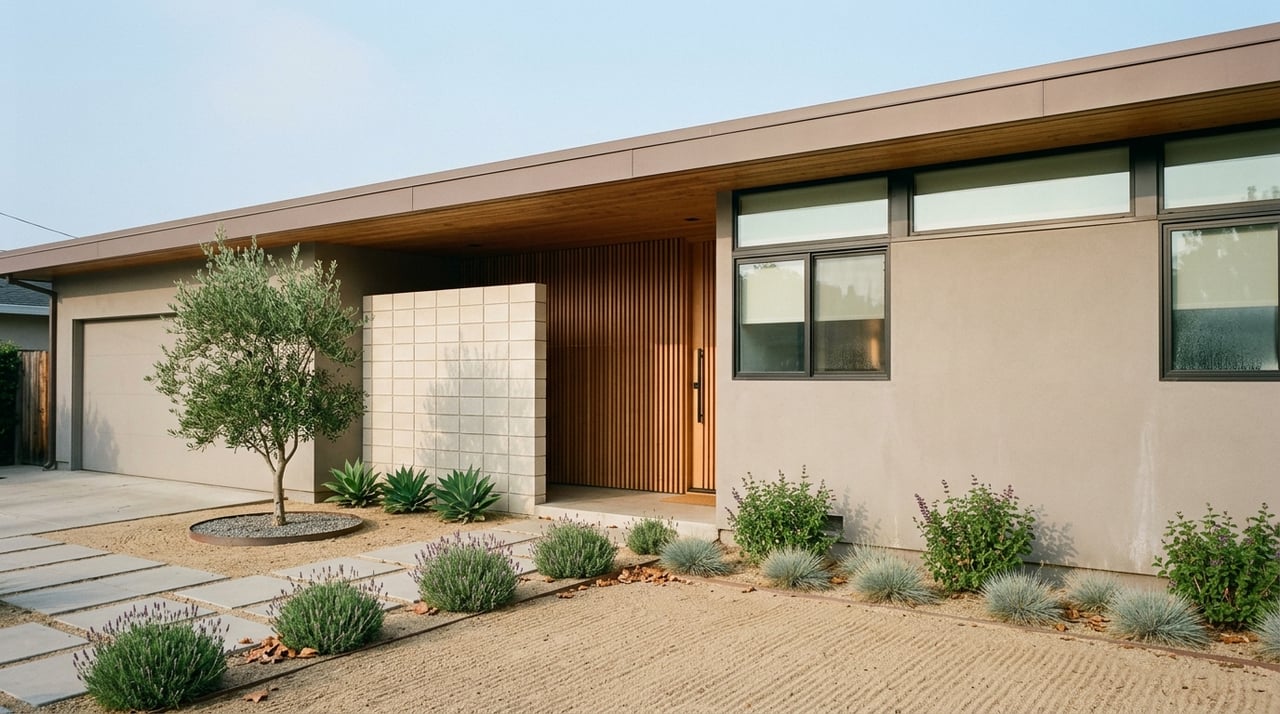
Wondering what kind of home you will actually find in Granada Hills? If you have only heard it described as a classic Valley suburb, the real picture is much more interesting. Granada Hills includes early homes, postwar ranch tracts, a standout mid-century modern enclave, and newer hillside construction, which means your choice is often about lot size, light, privacy, and upkeep as much as style. Let’s dive in.
Why Granada Hills Has So Many Styles
Granada Hills is not a one-era neighborhood. According to Los Angeles City Planning, the area includes some of its oldest housing in the southwest corner from the 1920s and 1930s, a large share of homes built in the 1950s, and newer development on hillside sites since the 1980s.
That layered growth matters when you start touring homes. Instead of seeing the same floor plan again and again, you may find very different housing types depending on where you look within Granada Hills.
Early Homes and Prewar Pockets
Some of Granada Hills' earliest surviving homes date to the late 1920s. SurveyLA also notes a few vernacular ranch houses tied to the earlier Sunshine Ranch property, which shows that the neighborhood's housing story started before the postwar building boom.
For you as a buyer or seller, that means Granada Hills has more variety than many people expect. In some pockets, the appeal comes from age and a different neighborhood pattern rather than from a large tract identity.
Ranch Homes Define Postwar Granada Hills
If there is one style that most strongly shapes Granada Hills, it is the ranch house. Official survey work points to ranch-style development as the clearest postwar tract language in the neighborhood, especially in areas developed through the 1950s and early 1960s.
Ranch homes are usually one-story and spread out horizontally. Common features include low-pitched roofs, deep eaves, broad front windows, attached garages or carports, and patios or rear yard access designed to connect indoor and outdoor living.
That last point is important. A ranch home is not just a look. It is also a lifestyle layout that often prioritizes easy flow, practical living, and access to the backyard.
What Ranch Layouts Usually Feel Like
In everyday use, ranch homes often feel straightforward and comfortable. You may see rectangular, L-shaped, or U-shaped plans, with living spaces oriented toward the yard and large windows that bring in natural light.
For many buyers, that creates a strong sense of usability. Single-story living, wider footprints, and direct patio access still appeal to people who want flexible indoor-outdoor space without stairs dominating the layout.
Notable Ranch Areas in Granada Hills
Two local districts help explain why ranch homes are such a defining part of the area.
Marlborough Palms
Marlborough Palms includes 149 one-story single-family homes built in 1957 and 1958 in ranch-style variations. SurveyLA notes the area's uniform setbacks, landscaped parkways, street trees, concrete curbs, and sidewalks.
That consistency gives the neighborhood a cohesive visual rhythm. When you drive through, the streetscape itself becomes part of the style.
Granada Orange Estates
Granada Orange Estates includes about 404 parcels developed primarily between 1954 and 1963. The area features one- and two-story single-family homes in ranch style, with mature landscaping, raised concrete curbs, and a notable lack of sidewalks or streetlights.
That detail changes the feel of the neighborhood. Compared with more formal tract areas, the open frontage and mature planting can make the setting feel looser and more landscape-driven.
Mid-Century Modern Stands Out Here
Granada Hills is also home to one of its most architecturally distinct residential pockets: Balboa Highlands. This area is especially important if you are drawn to true mid-century modern design rather than just remodeled homes with modern finishes.
Los Angeles City Planning identifies Balboa Highlands as the first post-World War II neighborhood in the San Fernando Valley to receive historic district status. Built from 1962 to 1964 by Joseph Eichler, it is also the only Eichler development in Los Angeles County.
What Makes Balboa Highlands Different
These homes are known for atriums, sliding-glass doors, floor-to-ceiling glass walls, and partially open floor plans. More broadly, mid-century modern architecture emphasizes horizontal lines, simple geometric forms, minimal interior walls, and a strong relationship between the house and the site.
That creates a very different experience from a typical ranch tract home. In Balboa Highlands, outdoor space is often part of the architecture itself, not just a yard behind the house.
Why Buyers Notice Eichler Homes
Eichler-style homes tend to stand out because the design priorities are so clear. Light, openness, and indoor-outdoor flow are not secondary details. They are the core of the home's identity.
If you are comparing home styles in Granada Hills, this is one of the biggest contrasts you will see. A ranch home may emphasize practical single-story living, while an Eichler-style home often feels more design-forward and spatially dramatic.
Lot Size Changes by Area
Style is only part of the story in Granada Hills. Lot size and neighborhood setting can shift quite a bit depending on where you look.
Los Angeles City Planning describes the area north of Rinaldi Street as having larger lots, curving streets, some horse-keeping, vacant land, and equestrian trails. South of Rinaldi, lots are generally more moderate in size and located along tree-lined streets.
For you, that means location within Granada Hills can shape how a home lives just as much as the architecture. Two ranch homes in different parts of the community may offer very different outdoor space, privacy, and street presence.
North of Rinaldi
North of Rinaldi is where you are more likely to find larger lots and a more semi-rural foothill setting. If outdoor space is high on your list, this area may deserve extra attention.
That does not mean every property feels the same. It means the land itself often becomes a bigger part of the decision.
South of Rinaldi
South of Rinaldi, the setting tends to feel more traditionally suburban, with moderately sized lots and established tree-lined streets. For some buyers, that balance of neighborhood structure and outdoor space feels easier to maintain.
This is also where the tract identity can be more visible. Streetscape patterns, setbacks, and landscaping often play a bigger role in the overall look.
Newer Hillside Homes Offer Another Option
Granada Hills is not frozen in the mid-century era. City Planning notes newer development on vacant hillsides northwest of Rinaldi and Balboa Streets since the 1980s.
These homes are often best understood as a different category altogether. Rather than tract uniformity, hillside properties are more likely to emphasize slope, individualized siting, and views.
If you are choosing between a ranch tract home and a hillside property, you are not just comparing age. You are comparing very different relationships to land, grading, privacy, and outdoor use.
What Style Means for Maintenance
Home style also affects upkeep. In ranch tracts, maintenance may center more on original layouts, aging systems, windows, roofs, and landscape care tied to larger front or rear yard areas.
In a historic modern enclave like Balboa Highlands, upkeep can also involve preserving design integrity. Los Angeles City Planning states that exterior work in a local historic district is subject to additional HPOZ review, including renovations, additions, new construction, landscaping, and paint.
Why Historic Review Matters
If you are considering a home in Balboa Highlands, it is important to understand that exterior changes are not handled the same way as in a non-HPOZ area. That can affect your timeline, your renovation plans, and the type of updates you pursue.
For some buyers, that added review is part of what protects the area's architectural identity. For others, it is simply a practical factor to weigh before making an offer.
How to Think About Style as a Buyer
When you shop in Granada Hills, it helps to think beyond labels. Instead of asking only whether a home is ranch or mid-century, ask how the property handles light, privacy, lot size, yard use, and future upkeep.
A few helpful questions to ask include:
- Do you want a larger lot or a more standard suburban footprint?
- Is single-story function your top priority?
- Do you prefer an open architectural feel or a more conventional layout?
- Will you want flexibility for exterior changes later?
- Is the yard mainly for play and entertaining, or do you want it to feel integrated into the home's design?
Those questions often lead to better decisions than style alone. In Granada Hills, the strongest differences are not just about how homes look from the street, but how they live day to day.
What Style Means for Sellers
If you are selling in Granada Hills, your home's style can shape how it should be positioned. A ranch home may appeal most through layout, lot use, and neighborhood consistency, while a mid-century modern home may attract buyers who care deeply about architecture, light, and originality.
That is why local storytelling matters. The right marketing approach should highlight not just square footage and finishes, but also what makes a home's design and setting meaningful within Granada Hills.
If you want help understanding how your home's style fits into today's market, Valerie Gutierrez can help you evaluate the details buyers notice most and build a strategy around them.
FAQs
Where is the strongest mid-century modern area in Granada Hills?
- Balboa Highlands is the neighborhood's best-known mid-century modern enclave and the only Eichler development in Los Angeles County.
Are ranch homes the main style in Granada Hills?
- Ranch homes are the clearest postwar tract style in Granada Hills, but the neighborhood also includes late-1920s and 1930s homes, mid-century modern enclaves, later modern examples, and newer hillside construction.
Which part of Granada Hills has larger lots?
- Los Angeles City Planning describes the area north of Rinaldi Street as having larger lots, curving streets, some horse-keeping, vacant land, and equestrian trails.
What makes an Eichler-style home different in Granada Hills?
- In Balboa Highlands, Eichler homes are known for atriums, sliding-glass doors, floor-to-ceiling glass walls, and partially open floor plans that create a strong indoor-outdoor connection.
Can homeowners change exteriors freely in Balboa Highlands?
- No. Los Angeles City Planning states that exterior work in a local historic district is subject to additional HPOZ review, including renovations, additions, landscaping, and paint.
Are newer homes part of the Granada Hills housing mix?
- Yes. Los Angeles City Planning notes newer development on vacant hillsides northwest of Rinaldi and Balboa Streets since the 1980s.