Thinking about Canyon Country and wondering what day-to-day life actually feels like? If you are comparing neighborhoods in the Santa Clarita Valley, this part of town stands out for its mix of housing options, outdoor access, and practical convenience. From parks and trails to commuter options and everyday errands, here is a clear look at what you can expect in Canyon Country. Let’s dive in.
Where Canyon Country Fits
Canyon Country is one of the original communities in Santa Clarita and sits on the city’s east side. The City of Santa Clarita describes the broader city as a suburban valley community about 30 miles north of Downtown Los Angeles. Within that larger setting, Canyon Country has the biggest population of any Santa Clarita community and a distinct outdoor-oriented identity.
That matters if you want a neighborhood that feels connected to the foothills while still offering daily essentials close by. Canyon Country does not read like one uniform tract area. Instead, it feels like a collection of sub-areas with different housing styles, lot sizes, and rhythms of daily life.
Homes in Canyon Country
One of the biggest lifestyle advantages in Canyon Country is variety. According to the city’s community-character guide, the area includes large-lot custom homes, single-family tract homes, multifamily development, and mobile home parks. That gives buyers more than one path into the community, whether you want space, simplicity, or a lower-maintenance setup.
The northern Sierra Highway area is known for very low-density, custom-lot character. Closer to the Sierra Highway and Soledad Canyon Road intersection, the housing pattern includes more multifamily development. If you are comparing sections of Canyon Country, that difference can shape everything from street feel to home style.
Sand Canyon has a very different identity from the denser corridor areas. The city describes it as a low-density equestrian sub-community with larger upscale single-family homes and lots bordering the Angeles National Forest. For buyers who want more land and a stronger rural edge, Sand Canyon often stands apart from the rest of Canyon Country.
Newer development has tended to cluster closer to Golden Valley Road and the Cross Valley Connector. Historically, commercial and manufacturing uses have been concentrated along Soledad Canyon Road and northern Sierra Highway. In practical terms, that means some parts of Canyon Country feel more residential and tucked away, while others feel more connected to major service corridors.
Neighborhood Character and Style
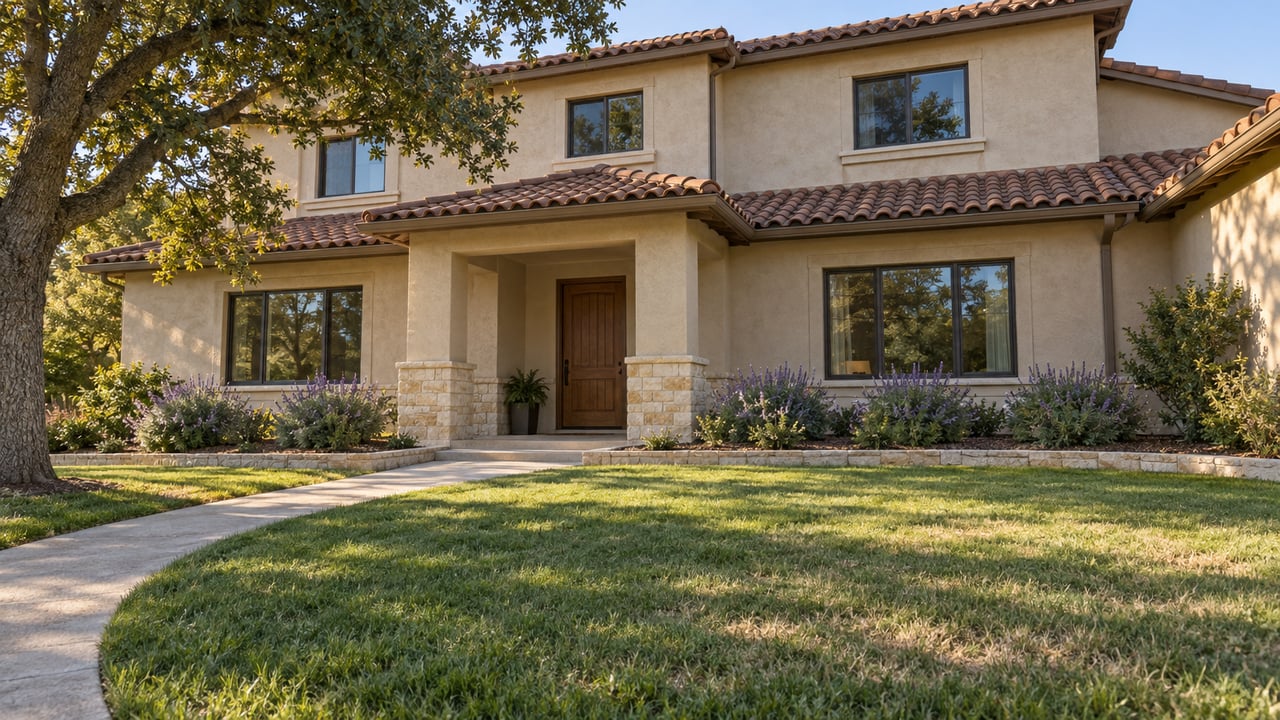
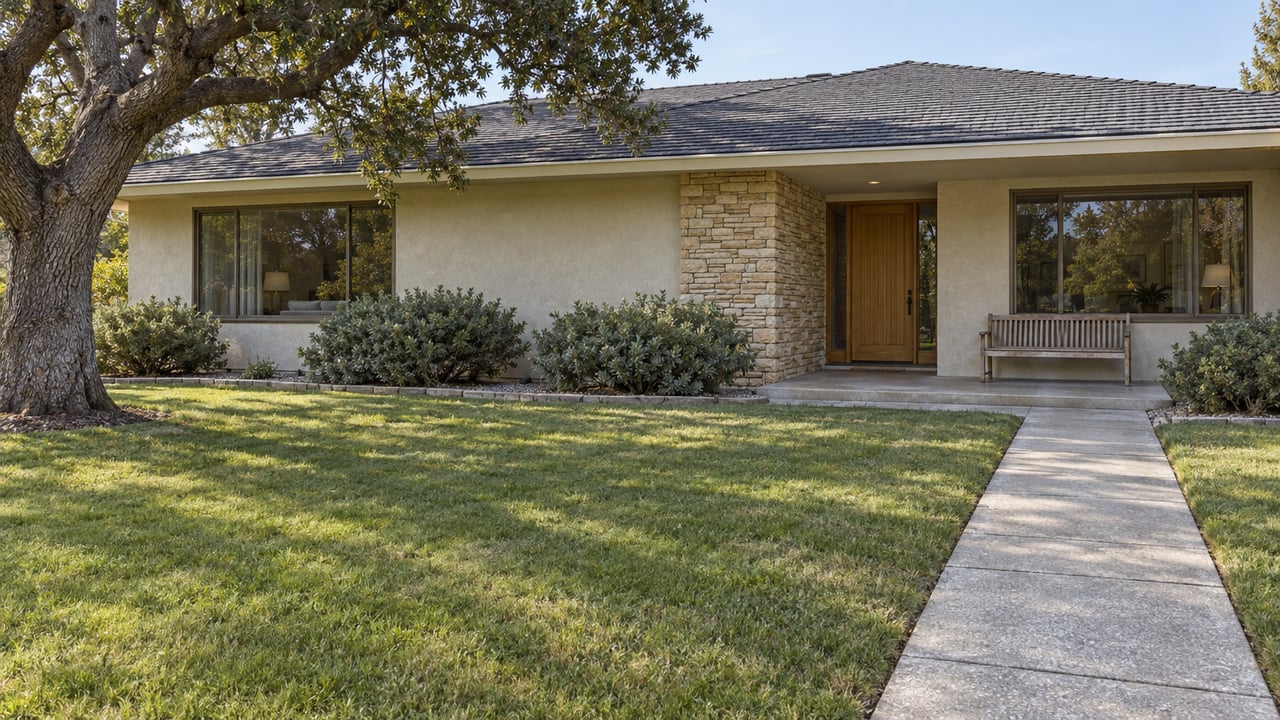
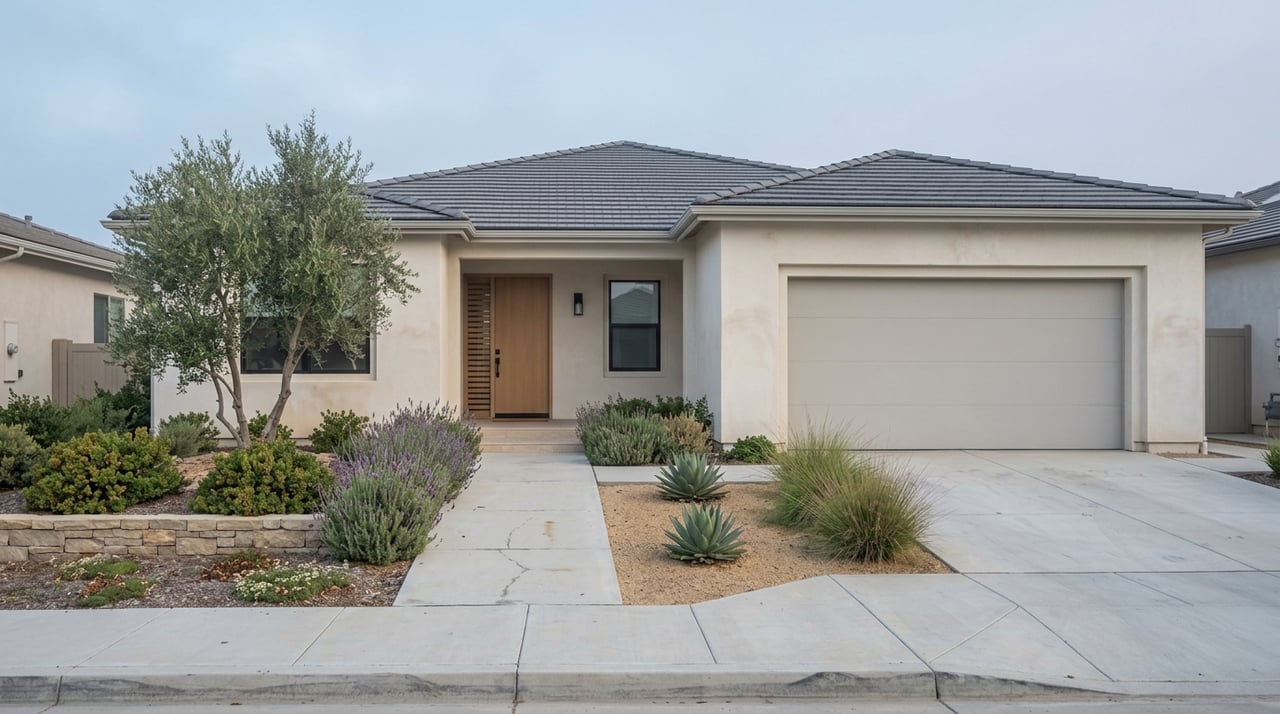
Canyon Country has more visual variety than many buyers expect. The city notes a mix of California ranch, Santa Fe, Mediterranean, and other regional architectural styles. That blend helps explain why driving through Canyon Country can feel less repetitive than in communities built around one single housing template.
This variety also affects how you shop for a home here. You may find attached housing and tract neighborhoods near the main roads, then larger properties and more open surroundings as you move toward places like Sand Canyon or the northern Sierra Highway area. For many buyers, that range is a big reason Canyon Country stays on the shortlist.
Parks and Outdoor Living
If outdoor access matters to you, Canyon Country has a strong case. Canyon Country Park at 17615 Soledad Canyon Road is one of the area’s central public spaces, with a ball diamond, BBQs, picnic tables, restrooms, a child play area, and a fitness zone. The park also features a 9,500-square-foot western-themed inclusive playground that opened in January 2020 and was designed for people of all abilities.
That kind of amenity can shape your weekly routine in a real way. It gives you a place for playtime, picnics, casual workouts, and meetups without needing to drive far. For many households, having a reliable neighborhood park nearby adds real day-to-day value.
Trails and Weekend Options
Santa Clarita’s trail network is another part of the Canyon Country lifestyle story. The city says the system includes about 80 miles of trails and 20 miles of paseos that connect parks, shopping, schools, and employment centers. In Canyon Country, the Camp Plenty Road and Lost Canyon Road trailheads both sit off Soledad Canyon Road.
The Sand Canyon Trail adds another option for local recreation. The city describes it as a 2.7-mile route that is being improved with pedestrian bridges for pedestrians, cyclists, and equestrians. That reflects a broader theme in Canyon Country, where outdoor movement is built into everyday life rather than treated like a special occasion.
If you want a larger outing, Placerita Canyon Natural Area is nearby for a change of pace. It offers oak groves, a seasonal stream, self-guided nature and history trails, and a Nature Center. Free bird walks are also listed there on the first and second Saturdays of each month, weather permitting.
Daily Errands and Services
Canyon Country’s daily routine is shaped less by a single downtown and more by key commercial corridors. The Soledad Canyon Road Corridor Plan identifies much of the area as Community Commercial or Mixed Use Corridor, with typical uses including restaurants, grocery markets, pharmacies, banks, day care, medical services, and specialty retail. In simple terms, Soledad Canyon Road acts as the main spine for errands and services.
That corridor-based setup can be convenient if you like having essentials along a predictable route. Instead of relying on one central district, you get a practical spread of services tied to the roads many residents already use. Sierra Highway also plays a major role in that pattern.
Community Spaces That Anchor Daily Life
Several local destinations help define life in Canyon Country beyond housing alone. The Canyon Country Community Center at 18410 Sierra Highway serves as a multi-generational center with classes, events, camps, and community activities. It is one of the clearest examples of how the area supports everyday recreation and local connection.
The Canyon Country Jo Anne Darcy Library at 18601 Soledad Canyon Road is another important resource. It offers weekday and weekend hours, plus homework resources, passports, Wi-Fi printing, and employment resources. For many households, that makes it more than a library. It is a useful part of the weekly routine.
College of the Canyons’ Canyon Country Campus at 17200 Sierra Highway also adds to the local landscape. Opened in 2007, it regularly offers more than 500 class sections a year along with student services and community events. That gives Canyon Country another steady source of activity and public engagement.
Farmers Market and Events
Canyon Country also offers recurring community events that can make the area feel active and connected. The city calendar lists a weekly Canyon Country Farmers Market at the community center on Wednesdays from 4:00 to 8:00 p.m. Vendors offer seasonal produce, baked goods, flowers, herbs, cheeses, and prepared foods.
The city’s Celebrate series is another local touchpoint. It returns to the community center on the second Friday of each month from April through September with free family-friendly cultural programming. Events like these help show how Canyon Country balances suburban convenience with a steady calendar of local activities.
Commute and Connectivity
For many buyers, lifestyle includes commute options as much as parks and housing. The City of Santa Clarita says its transit system serves the valley and neighboring cities, and Metrolink’s Santa Clarita Station is located at 22122 Soledad Canyon Road on the Antelope Valley Line. That rail access can be a major consideration if you want another transportation option beyond driving.
The city has also announced the Vista Canyon Multi-Modal Center as its fourth Metrolink station, adding another transit point on the east side of Santa Clarita. Current Antelope Valley Line schedules include stops such as Santa Clarita, Via Princessa, Newhall, and Los Angeles Union Station. Local bus timetables also show Canyon Country-area stops near Via Princessa Metrolink, Soledad Canyon Road and Sierra Highway, Whites Canyon Road and Soledad Canyon Road, and the College of the Canyons Canyon Country Campus area.
What Canyon Country Feels Like
Taken together, Canyon Country feels like a foothill-suburban hybrid. You have tract neighborhoods and attached housing near the main corridors, larger-lot properties in select sub-areas, and a daily rhythm centered on parks, trails, community spaces, and practical service corridors. That mix can appeal to buyers who want more range in housing choices without giving up convenience.
It is also a place where location inside the community matters. One section may offer quicker access to shopping and transit, while another may lean more heavily into space, trails, or a lower-density setting. If you are serious about finding the right fit, it helps to compare not just Canyon Country as a whole, but the specific pocket that matches your lifestyle.
When you are weighing Canyon Country against other parts of the Santa Clarita Valley, focus on how you want to live each day. Think about your preferred home style, how often you use parks and trails, how important corridor access is for errands, and whether transit access matters to you. That is usually where Canyon Country becomes easier to evaluate.
If you want help narrowing down the right part of Canyon Country for your goals, Valerie Gutierrez can help you compare neighborhoods, home types, and lifestyle fit with clear local guidance.
FAQs
What types of homes are in Canyon Country?
- Canyon Country includes large-lot custom homes, single-family tract homes, multifamily development, and mobile home parks, with larger upscale homes in areas like Sand Canyon.
What is daily life like in Canyon Country?
- Daily life is largely organized around Soledad Canyon Road and Sierra Highway, where many errands, services, community spaces, and activity centers are located.
Are there parks and trails in Canyon Country?
- Yes. Canyon Country Park is a key local amenity, and the area connects to Santa Clarita’s broader trail system, including trailheads at Camp Plenty Road and Lost Canyon Road and the Sand Canyon Trail.
What community amenities are in Canyon Country?
- Key amenities include the Canyon Country Community Center, the Canyon Country Jo Anne Darcy Library, College of the Canyons’ Canyon Country Campus, and the weekly farmers market at the community center.
Is Canyon Country good for commuting?
- Canyon Country offers access to local bus service and Metrolink service on the Antelope Valley Line, including the Santa Clarita Station and the east-side Vista Canyon Multi-Modal Center project.
How is Canyon Country different from other Santa Clarita areas?
- Canyon Country stands out for its mix of housing densities, outdoor-oriented identity, corridor-based daily convenience, and sub-areas that range from tract neighborhoods to larger-lot and equestrian settings.