Curious if a master-planned village in Valencia is the right fit for you? You’re not alone. Many buyers love the convenience, parks, and connected trails these neighborhoods offer, but they also want clarity on HOAs and monthly costs. In this guide, you’ll learn how Valencia’s master-planned communities are designed, what HOAs typically cover, how parks and paseos work, and what to verify before you buy. Let’s dive in.
What “master-planned” means in Valencia
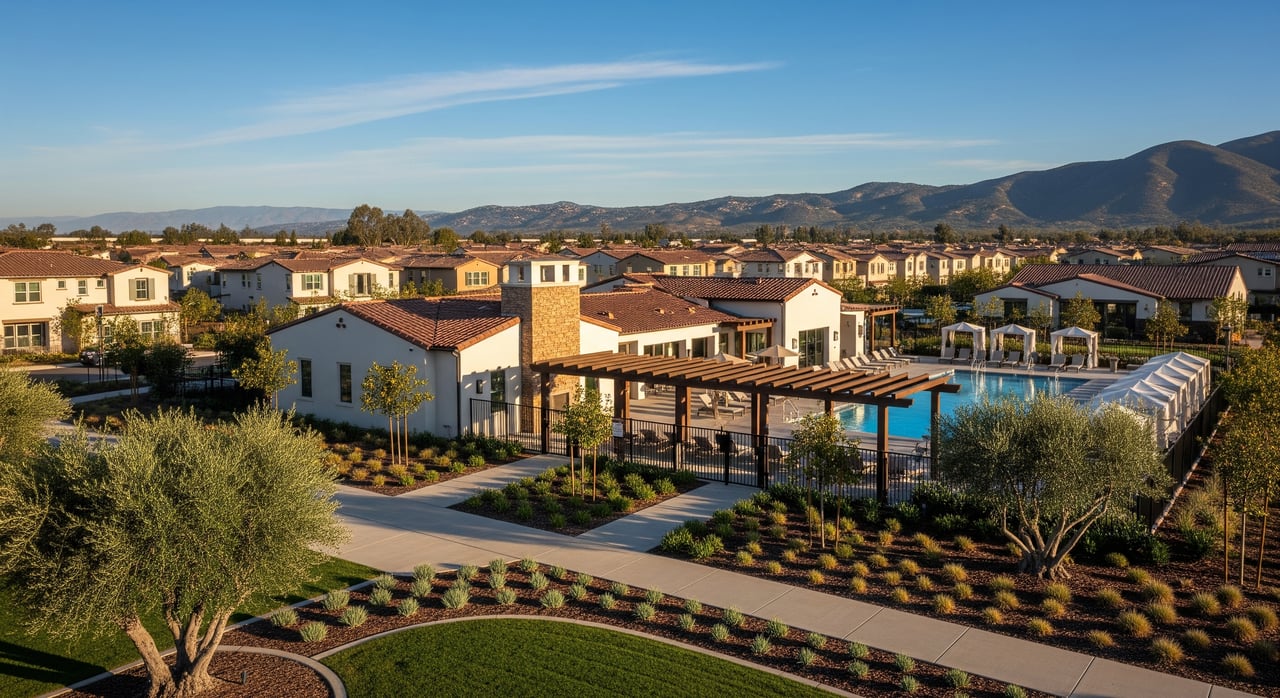
Valencia is known for its organized village layout, connected paseos, and consistent landscaping. A master-planned community is developed under an overall plan that coordinates homes, parks, trails, and commercial areas so daily life feels connected and convenient. Compared with areas that grew over time, master-planned villages offer a more unified look and shared amenities.
Village structure and design
Neighborhoods are organized into named villages or tracts with architectural guidelines and a clear identity. You’ll often see greenbelts and smaller common areas spread between homes, plus parks and playgrounds placed so most residents are a short walk or ride away. Mixed-use village centers put essentials like shops and services within easy reach.
Who maintains what
Developers install the original infrastructure and amenities, then hand them off based on recorded agreements. Maintenance may be handled by the City for public items, a master association that covers multiple neighborhoods, or sub-associations for a specific village or condo complex. Plat maps and HOA documents show which areas are public and which are HOA-owned.
What HOAs usually cover
HOA coverage depends on the type of home, the village, and whether there is a master association. Knowing these details early helps you compare true monthly costs across neighborhoods.
Common amenities
- Community landscaping in HOA areas and internal medians.
- Pools, spas, clubhouses, fitness rooms, and sport courts.
- Neighborhood parks and playgrounds within HOA parcels.
- Private paseo segments and pedestrian bridges inside HOA boundaries.
- Private roads in gated or private subdivisions, plus street lights and signage.
- Security gates and gatehouse operations where applicable.
- Trash and recycling contracts if the HOA provides private service.
- Exterior maintenance for some townhome and condo buildings, such as roofs, siding, exterior paint, and fencing, based on the CC&Rs.
What HOAs typically do not cover
- Public streets, sidewalks in the city right of way, public parks, and public storm drains, unless they were kept private by the developer.
- Public utilities like water and sewer mains, which are usually handled by the city or a local agency.
Rules, reserves, and dues
California HOAs operate under the Davis-Stirling Common Interest Development Act, which sets owner rights, meeting rules, budgeting, and reserve study requirements. Your HOA’s CC&Rs, bylaws, and rules outline design approvals, rental policies, pet rules, parking, and assessments. Reserve planning matters because inadequate funding can lead to special assessments or sharp dues increases.
Parks, paseos, and open space
Valencia villages were designed to make walking and biking easier. The paseo network links homes to parks, schools, and shops with landscaped corridors that create a calm, connected feel.
Connectivity and access
Some paseo segments are private and maintained by an HOA, while others are public and maintained by the City. Before you buy, confirm which segments near your home are public or private, and whether access is limited to residents. Also ask if the closest trails connect directly to the destinations you care about most, such as schools, parks, or retail.
Drought and landscape
Local drought rules shape plant choices, irrigation schedules, and water use in common areas. Many HOAs use drought-tolerant landscaping and smart irrigation to conserve water while keeping public spaces attractive. If you plan to change your yard, check the HOA’s plant lists and water-wise policies.
Wildfire and safety
Parts of the Santa Clarita Valley have elevated wildfire risk. Open space edges near some villages may require brush management and defensible space. HOAs and owners often share responsibilities along the boundary, so verify what the rules require for your lot and who performs fuel reduction.
Lifestyle trade-offs to weigh
Living in a Valencia master-planned village offers a specific style of convenience and consistency. It also comes with recurring costs and community standards.
Perks you’ll feel day to day
- Predictable curb appeal. Design standards help keep neighborhoods neat and consistent.
- Amenity access. Pools, clubhouses, and well-kept parks are close by, sometimes within a quick walk or bike ride.
- Less yard work. HOAs handle common-area landscaping and maintenance, which reduces your to-do list.
- Connected living. Paseos often link you to schools and shops, which can streamline daily routines.
Limitations to factor in
- Monthly dues. Fees vary by village and home type, and they affect your total monthly payment.
- Rules and approvals. Expect architectural review for exterior changes, plus rules for parking, pets, and rentals.
- Special assessments. If reserves are low or a big project comes up, the HOA may levy an extra assessment.
- Reputation matters. A well-run association can support values, while troubled HOAs can make resales harder.
Due diligence checklist
A focused review can help you avoid surprises and choose the right village for your lifestyle and budget.
Documents to request
- CC&Rs, bylaws, rules and regulations, and any architectural guidelines.
- Current budget and the most recent reserve study.
- Board meeting minutes for the last 12 to 24 months.
- HOA financial statements and balance sheet.
- Insurance certificate for the master policy, including a coverage summary.
- Written notices of pending or recent special assessments.
- Litigation disclosures for the HOA.
- Delinquency policy and current delinquency rate.
- A map showing what is HOA-owned versus city-owned, plus paseo and park jurisdiction.
Smart questions to ask
- What is included in the monthly dues, such as landscaping, water for common areas, pool care, insurance, security, and trash?
- When was the last reserve study, and what percent funded are reserves?
- Are any capital projects planned in the next 1 to 5 years?
- What rental or leasing restrictions apply, including short-term rentals?
- How does the architectural review process work, and how long does approval take?
- Who maintains trees, street lighting, and private roads inside the neighborhood?
- Are the nearby paseos private, and are there access restrictions or hours?
On-the-ground checks
- Visit common areas at different times to gauge usage, noise, and maintenance.
- Talk with residents about rule enforcement, recent dues changes, and management responsiveness.
- Check local fire guidance for defensible space requirements that may affect your lot or adjacent open space.
Insurance and lending notes
- Confirm what the HOA’s insurance covers and what you must insure. Many condo buyers carry an HO-6 policy, while detached homes often need an HO-3 policy with any required riders.
- If you are financing, ask your lender about HOA documentation needs. Large associations, litigation, or reserve issues can affect some loan programs.
Is a Valencia MPC right for you?
If you value connected trails, consistent curb appeal, and built-in amenities, a Valencia master-planned village could be a great fit. You trade some personal flexibility and take on monthly dues in exchange for well-kept common areas and an organized neighborhood experience. The key is to verify what the HOA covers, how the paseos work near your home, and whether the rules match your lifestyle.
If you want help comparing villages, dues, amenities, and on-the-ground feel, we’re here to guide you from first tour to closing. Reach out to schedule a neighborhood walk and a focused HOA review with Valerie Gutierrez.
FAQs
What is a master-planned community in Valencia?
- It is a coordinated village-style neighborhood where homes, parks, paseos, and local retail are planned together under one master plan for convenience and consistency.
What do HOA dues usually include in Valencia villages?
- Dues commonly cover common-area landscaping, parks and pools within HOA parcels, private roads and lighting where applicable, and sometimes exterior maintenance for condos and townhomes.
Are Valencia paseos public or private?
- It varies by segment; some walkways are public and city maintained, while others are private HOA amenities, so you should verify jurisdiction and access rules for the paths near your home.
How do HOA rules affect remodeling or paint choices?
- Most villages require architectural review and approval for exterior changes, including paint, fencing, and major landscaping, with timelines and standards set in the CC&Rs and rules.
What should I review before buying into a Valencia HOA?
- Ask for CC&Rs, bylaws, rules, budgets, reserve studies, meeting minutes, assessment history, insurance coverage, litigation disclosures, delinquency rates, and a map of HOA versus city areas.