Thinking about selling your Saugus home this year? You are not alone. Recent vendor snapshots show typical Saugus sale prices in the upper 700s to low 800s, with average homes taking several weeks to find the right buyer. In a more balanced market like this, smart prep, confident pricing, and thoughtful timing can put you in the best position. In this guide, you will learn what to fix, how to price, and when to list so you can move forward with less stress and better results. Let’s dive in.
Saugus market snapshot
Prices and pace right now
Vendor reports show a median sale price near 775,000 to 815,000 for Saugus, depending on the source and time window. Median days on market range from about five to eight weeks. Sale-to-list ratios hover near 99% in many snapshots, which suggests buyers compare closely and reward well-priced, well-presented homes.
Local price per square foot varies by tract, condition, and lot features. Many Saugus sub-neighborhoods land between about 400 to 520 per square foot, with meaningful differences by micro-location and home age. You can explore how price per square foot trends by area using this neighborhood market view.
What this means for your price
In a balanced market, overpricing tends to backfire. Position your home based on recent closed sales in your subdivision or within the same school boundary, and adjust for condition, size, pool, and permitted improvements. Use active and pending listings to fine-tune your positioning, but anchor value to the most recent closed comps.
Best time to list in Saugus
Use mid-April as your spring anchor
National seasonality research points to mid-April as the strongest single week to list in many years because buyer activity rises while competition is still manageable. In Santa Clarita, early April often captures motivated spring buyers before summer inventory builds. If you need more time to prepare, a well-priced late-April or May launch can still perform. The key is being market-ready when traffic increases.
Plan backward from your target week
Most sellers need 4 to 8 weeks to complete cosmetic prep, coordinate vendors, and stage. If you are aiming for an early April list date, start interviews and inspections in February so you can finish exterior projects, photography, and staging before your go-live date.
Prep that pays off
Must-do legal and safety items in California
Get these compliance pieces handled early so there are no surprises during escrow:
- Complete California’s Transfer Disclosure Statement and Natural Hazard Disclosure. These are statutory requirements for most 1–4 unit sales and should be delivered early in marketing and negotiations. Review this disclosure checklist overview.
- If your home was built before 1978, provide the federal lead-based paint disclosure and pamphlet and allow the standard inspection window. See the EPA’s lead disclosure rules.
- Confirm smoke detector and carbon monoxide device compliance and proper water-heater strapping where required. Your agent will provide the correct forms and guidance. For education on common disclosure topics, see C.A.R. resources.
- Check wildfire-related disclosures if your property is in a Very High Fire Hazard Severity Zone or near the wildland-urban interface, and follow defensible space guidance. Los Angeles County provides fire hazard reduction guidance.
Inspection and repair sequence
A clear sequence helps you spend wisely and reduce escrow friction:
- Order a pre-listing inspection focused on roof, structure, and major systems so you can address issues or price accordingly. See a summary of disclosure best practices in this seller checklist.
- Handle safety and code items first, including smoke and CO detectors and water-heater bracing where required. Your agent can help document compliance using C.A.R. guidance.
- Fix visible, trust-killing defects such as peeling paint, loose railings, leaky faucets, and torn screens. These small issues can weigh heavily on buyer perception.
High-ROI updates for Saugus
National Cost vs. Value data shows exterior projects often recoup the highest share at resale. Review benchmarks in the Cost vs. Value report and focus on:
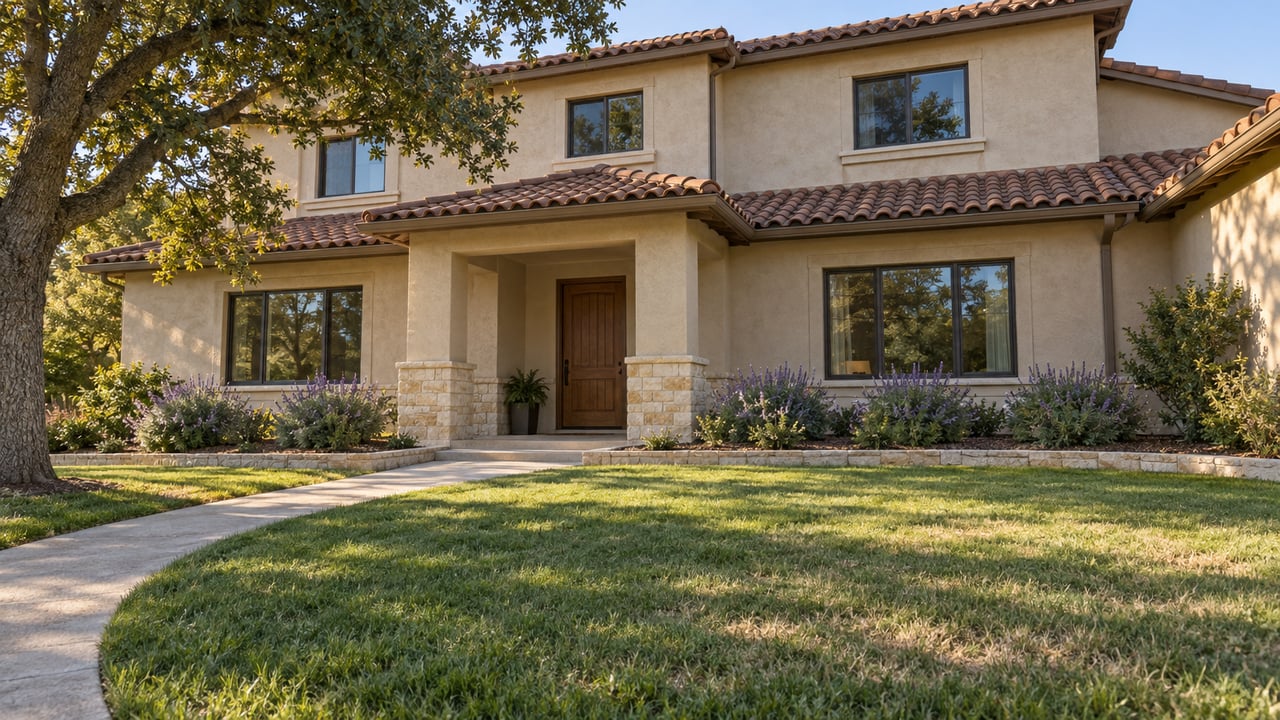
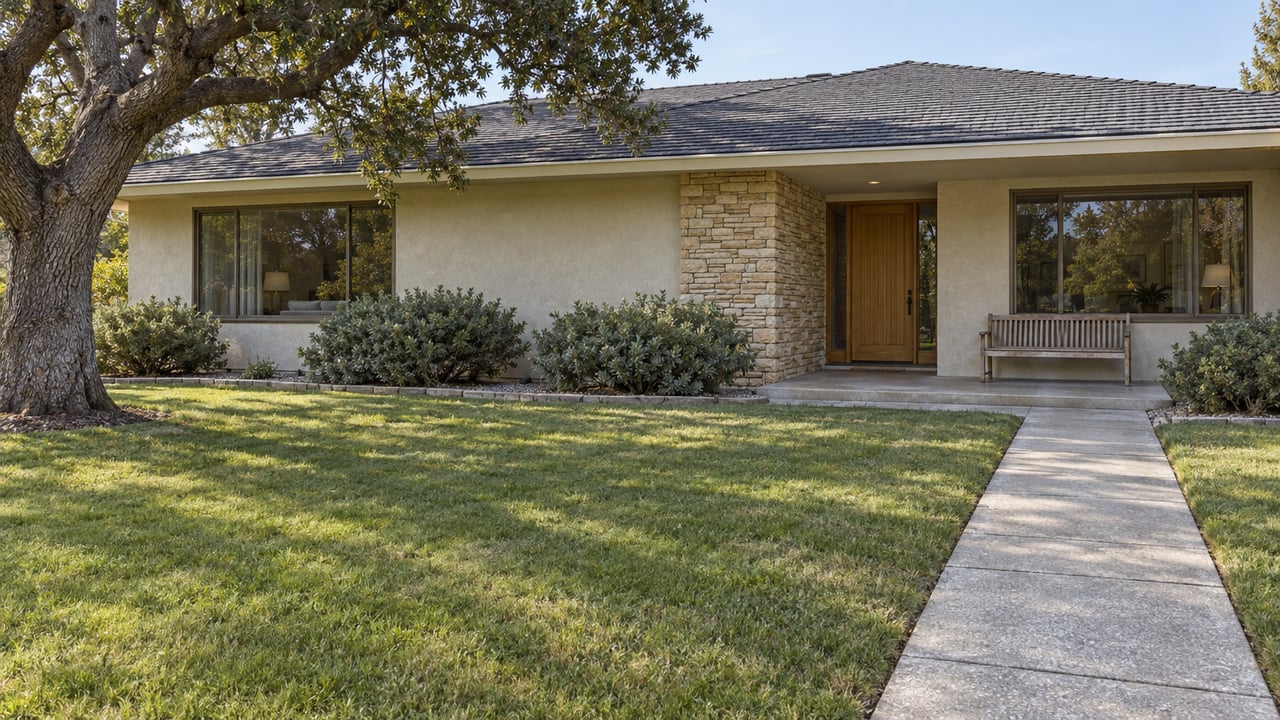
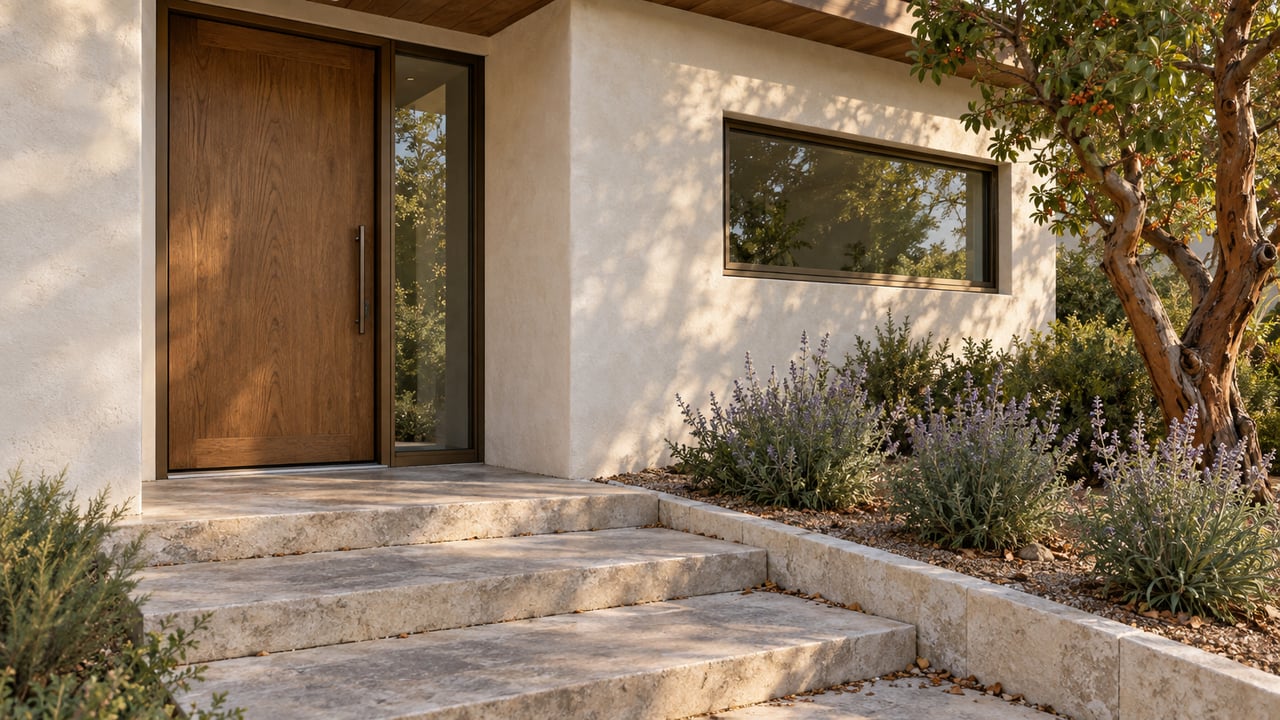
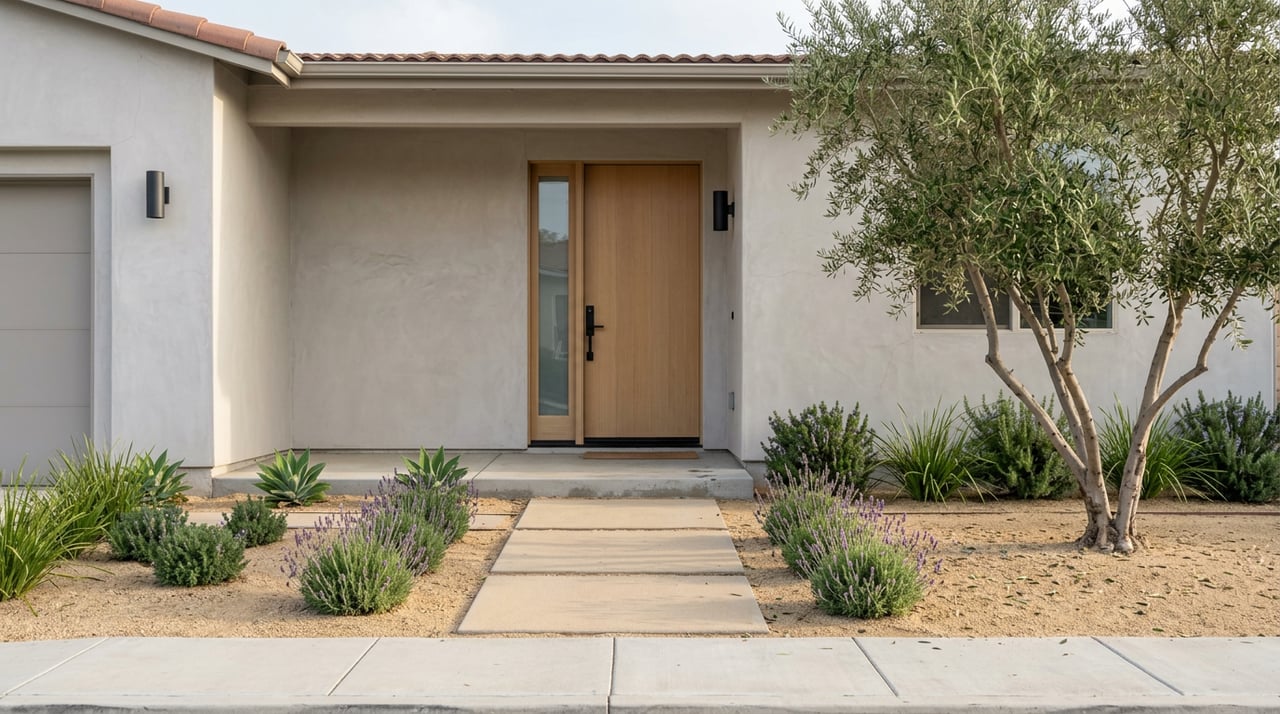
- Curb appeal first: refresh landscaping, pressure wash, touch up exterior paint, and consider a new front or garage door.
- Targeted kitchen refresh if dated: consider cabinet refacing, new counters, updated lighting, and midrange appliances rather than a full renovation when you plan to sell soon.
Staging and presentation
Staging helps buyers visualize how they will live in the space and often shortens time on market. NAR’s staging resources summarize how presentation influences outcomes; explore their staging guidance.
For costs, many occupied homes do well with focused staging in the living room, kitchen, and primary bedroom. Typical packages range from about 750 to 3,500, with virtual staging as a lower-cost option. See an overview of typical staging costs.
Pricing strategy that works
Build a strong CMA
Use 3 to 6 recent closed sales within 30 to 90 days in your subdivision or within the same school boundary as the core comps. Adjust for condition, lot size, pools, age, permitted additions, and upgrades. Active and pending listings tell you what you are competing against right now and how quickly similar homes move.
Positioning options
- Price at market to meet buyers where they are. In a balanced environment, this often produces offers near list with fewer surprises.
- Price slightly under market to increase early showings. This can spark faster offers and, in certain micro-markets, multiple bids.
- Price above market only when your property has clear, supported advantages and you are comfortable with a longer timeline and possible reductions.
Look beyond price in negotiations
Non-price terms can add real value. Strong earnest money, shorter inspection windows, escalation language with a sensible cap, or appraisal-gap coverage may help you net more or close with fewer hurdles. In a balanced market, you can also weigh repair credits, contingency lengths, and rent-back requests to match your move-out needs.
If you are selling and buying
Common paths
- Sell first, then buy: strongest buying position and avoids carrying two mortgages. You may need temporary housing and careful move planning.
- Buy first, then sell: lets you shop with confidence but requires financing for two homes or short-term options like a HELOC.
- Make a contingent offer: your purchase depends on selling your current home. This can work, but some sellers prefer non-contingent buyers or include kick-out clauses.
- Arrange a seller rent-back: negotiate a short post-closing occupancy so you can close on your sale and stay for an agreed period while you complete your purchase. Terms, timing, and insurance details should be set in writing.
Escrow timing in Southern California
With financed buyers, plan for about 30 to 45 days from accepted offer to closing. Cash deals may close faster if title and payoffs are clear, sometimes in 7 to 21 days. Build these ranges into your move plan and appliance or contractor scheduling. Review the closing process timeline.
Tax considerations
If the home is your primary residence, you may qualify to exclude up to 250,000 of gain if single or 500,000 if married filing jointly, subject to the ownership and use tests and other IRS rules. Review the details in IRS Publication 523 and consult your tax advisor for your specific situation.
8–12 week selling plan
Use this practical timeline to keep your launch on track:
- 8–12 weeks out: interview and hire your listing agent, order a pre-listing inspection, request a neighborhood CMA, gather permits and receipts, and schedule contractors.
- 4–8 weeks out: complete safety fixes, prioritize curb appeal projects, plan a targeted kitchen or bath refresh if needed, and book staging and photography.
- 2–3 weeks out: deep clean, declutter, pack non-essentials, finalize staging, and confirm your list price and marketing calendar.
- Listing week: publish professional photos and video, go live on the MLS, run open houses and showings, and monitor feedback. Adjust price or timing only if the data supports a change.
Why partner with Armando & Valerie
Selling in Saugus is about strategy and execution. Our team pairs deep Santa Clarita knowledge with white-glove coordination so you can focus on your next move. We help you choose the right prep, bring in trusted vendors, price with precision, and launch with professional photography, video, and multi-channel exposure. If you are moving up or downsizing, we will help you map the timeline on both sides so everything lines up.
Ready to see your best path forward? Reach out to Valerie Gutierrez for a free home valuation and a step-by-step plan tailored to your Saugus property.
FAQs
When is the best time to sell a Saugus home?
- Mid-April is a strong national listing window and often aligns with Santa Clarita’s spring buyer surge; early to mid-spring typically combines more buyers with manageable competition.
How long will it take to sell in Saugus?
- Vendor snapshots suggest several weeks on market for typical homes, with well-priced, well-presented listings often moving faster and unique properties sometimes taking longer.
What should I fix before listing my Saugus house?
- Handle safety and code items first, then focus on visible defects and curb appeal; disclosures like TDS and NHD are required, and pre-list inspections help you prioritize.
Do I need to stage my Saugus home?
- Staging often helps homes sell faster and improves buyer perception; focus on main living areas and the primary bedroom, and consider virtual staging for budget efficiency.
How should I price my Saugus property?
- Use 3–6 recent closed comps from your subdivision or school boundary, adjust for differences, and position at or slightly under market if you want to maximize early interest.
How long does escrow take in Santa Clarita?
- Most financed deals close in about 30–45 days, while cash closings can be faster if title is clear and inspections are complete.
What taxes should I plan for when selling a Saugus home?
- Many sellers of a primary residence qualify for a federal capital gains exclusion, subject to IRS rules; review Publication 523 and speak with your tax advisor.