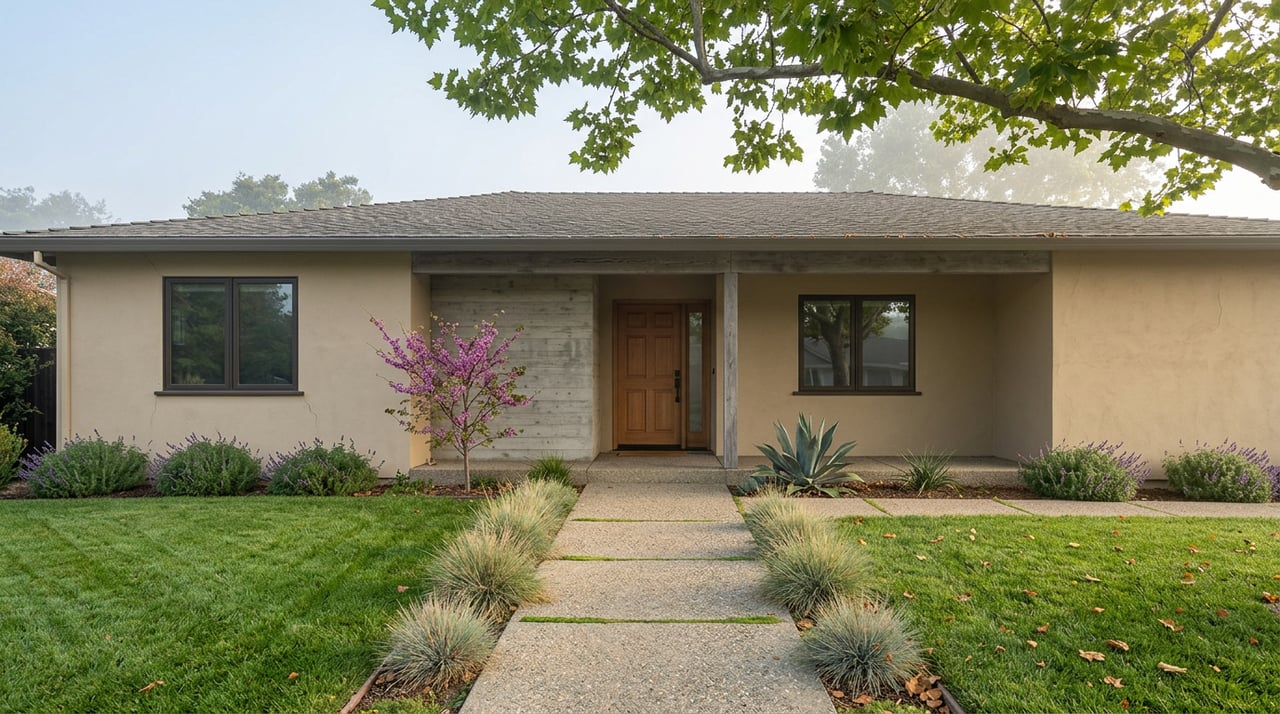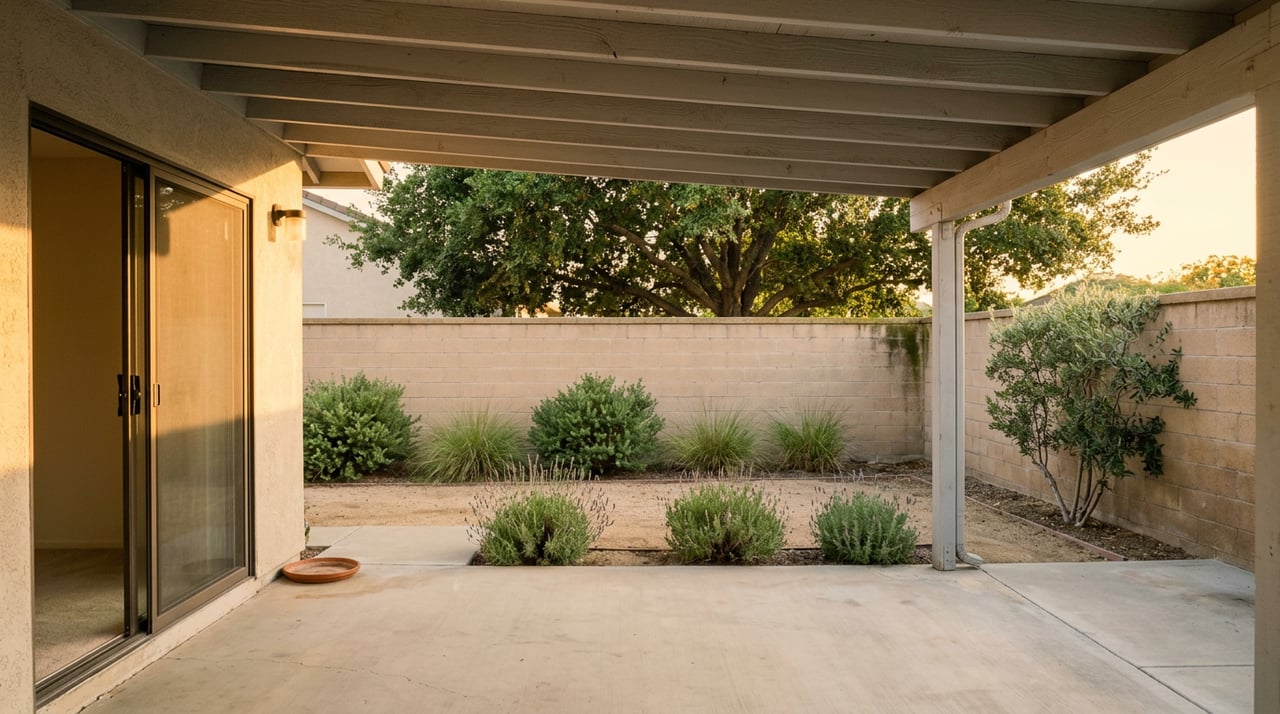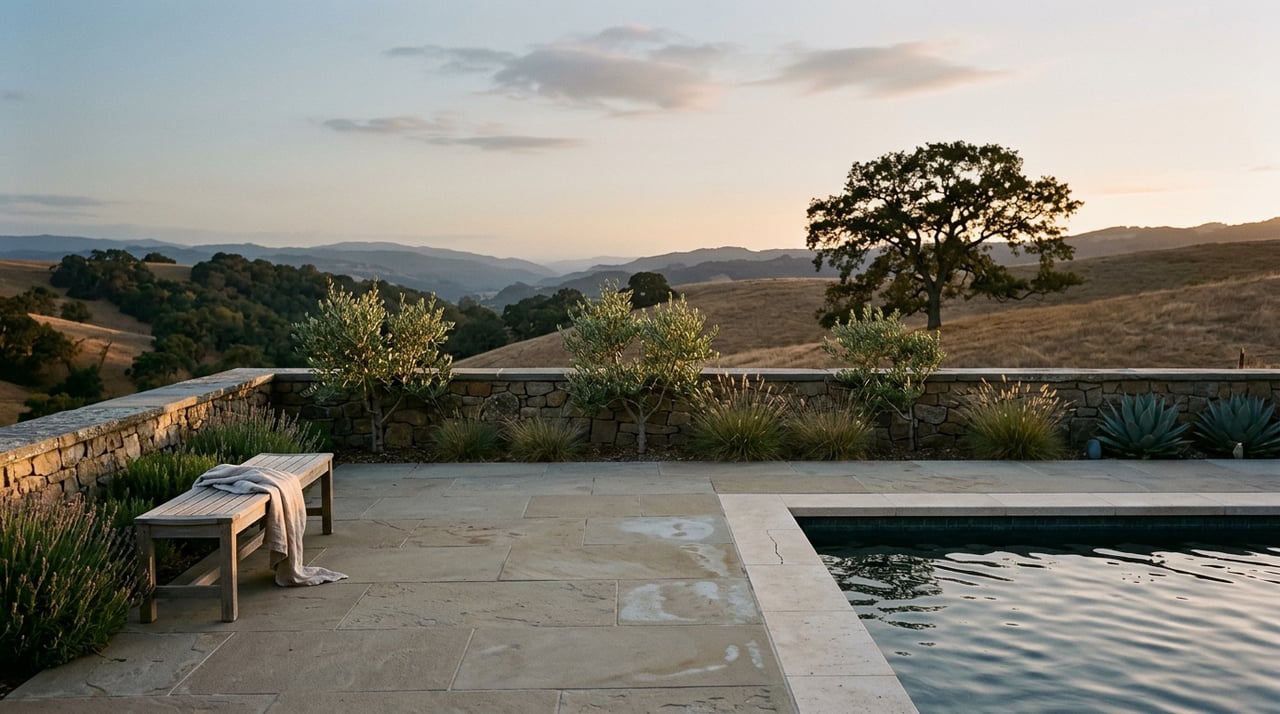
"Vista Canyon can be summarized as live, work, walkability and transit."
That was the pitch from Jim Backer, president of JSB Development, when the transit-oriented project broke ground in Canyon Country years ago. It's still the pitch today. But according to a Signal SCV report from July 2026, the city of Santa Clarita just took over care of a parking structure inside the development because the facilities maintenance district responsible for paying for it hadn't been paying. The city expects the change to cost roughly $313,000 a year, which it plans to recoup from future construction inside the project.
That single detail tells you more about buying in Canyon Country than any median price you'll find on a portal. This is a neighborhood where the assessment on a newer home isn't a settled fact. It's a live financial situation, and it can change depending on how fast the surrounding project finishes building itself out.
If you've been comparing Canyon Country to Valencia or Stevenson Ranch using one number, you've been comparing something that doesn't behave like one market. It behaves like three.
The Median Isn't Wrong. It's Just Not Describing One Place.
A review of the six months of closings through early September 2026 puts Canyon Country's median sale price at $767,500, based on 234 tracked transactions. That number is real. What it hides is more useful: the middle half of those sales closed anywhere between $510,000 and $940,000. That's not a narrow band around a typical home. That's a $430,000 gap between the 25th and 75th percentile, wide enough that Canyon Country ranks 192nd out of 262 tracked California markets from narrowest to widest spread. Most California neighborhoods cluster tighter around their median than this one does.
Meanwhile, active listings tell a slightly different story. As of September 2, 2026, the median asking price across Canyon Country's for-sale inventory sat closer to $685,000. A single month of closed sales tracked by Redfin put the number at $755,000, down 5.6% from a year earlier. None of these figures contradict each other. They're measuring different slices of the same uneven pie: what's currently listed, what actually closed last month, and what closed over a longer six-month window that includes both ends of the market.
The takeaway isn't that one source is right and the others are wrong. It's that any single "Canyon Country price" is an average of neighborhoods that would never be mistaken for each other if you stood in them.
The Flats: Where the Median Gets Pulled Down
Drive the Sierra Highway and Soledad Canyon Road corridor through 91351 and you're in a different housing stock than the term "Canyon Country" usually implies. This stretch holds a cluster of manufactured-home parks: Canyon Country Estates, Cordova Estates, Parklane Estates, Granada Villa. It also holds condo communities like the ones along Rainbow Glen Drive and the American Beauty tracts (Meadows, Highlands, Soledad). Sierra Park, a 55-plus manufactured-home community in this same stretch, is known locally for some of the lowest space rents in the Santa Clarita Valley.
This is the inventory doing most of the work to hold the citywide median down. It matters for a buyer comparing neighborhoods because a low number attached to "Canyon Country" doesn't automatically mean a bargain single-family home. It might mean a manufactured home on leased land, or a condo in a 1980s complex. Those are legitimate paths into homeownership, and for the right buyer they're a genuinely smart one. But they are a different transaction, with different financing rules and different long-term equity math, than the same dollar amount spent on a detached house three miles east.
The Middle: New Construction That's Still Finding Its Footing
Head toward the eastern edge of Canyon Country and you hit Vista Canyon, the 185-acre transit-oriented community built around a Metrolink station on the Antelope Valley Line. The plan called for 1,100 homes. As of the July 2026 update, roughly 725 had been built, with a 38-unit apartment complex now in progress. A new bridge connecting Soledad Canyon Road and Lost Canyon Road to the development's transit center opened the month before that report ran, a piece of infrastructure the city itself had to step in and design after the project fell behind pace on a state funding deadline.
New construction inventory here has recently listed at a median around $669,000, which sits comfortably inside that wide six-month spread rather than at either extreme. That's the point. Vista Canyon and the nearby hillside community of Skyline, built with efficient-home features and planned recreation space, occupy the middle of Canyon Country's price range. But "middle of the range" doesn't mean "settled." A development that's two-thirds built and still working through unpaid facilities fees is a development where the HOA or CFD line item on a listing sheet deserves more scrutiny than the number itself suggests.
That scrutiny matters because Canyon Country mixes two very different tax situations under one name. Many of the older tracts near the flats carry no Mello-Roos at all. Newer master-planned communities, including parts of Vista Canyon and Skyline, can carry a Community Facilities District assessment layered on top of the base property tax. If you're comparing a home in an older Canyon Country tract to one in a newer development, you're not just comparing square footage. You're comparing two different long-term cost structures. We've written more on how Mello-Roos actually works in Santa Clarita if you want the mechanics before you make an offer.
The Top: Acreage, Barns, and a Golf Course
Then there's Sand Canyon, on the opposite end of both geography and price. This is horse country inside city limits: gated enclaves like The Preserve, Robinson Ranch, and MacMillan Ranch, many of them built around or near the Sand Canyon Country Club's 27-hole course. Lots here commonly run from a half acre up to 20 acres, and recent luxury listings in the area carry a median around $1.65 million.
The premium in Sand Canyon isn't about being closer to the freeway or the shopping centers along Soledad Canyon Road. It's about land, privacy, and the infrastructure that comes with it: barns, riding arenas, guest houses, sometimes even attached boarding operations. This is the segment most likely to attract the investor or relocator buyer profile rather than the first-time family, and it's the segment single-handedly responsible for the top end of that $940,000 quartile line.
So Which Canyon Country Are You Actually Comparing?
| Segment | Where | What sets the price |
|---|---|---|
| The flats | 91351, Sierra Highway / Soledad Canyon Rd corridor | Manufactured-home parks, older condos, no Mello-Roos in most older tracts |
| The middle | Vista Canyon, Skyline / Skyline Ridge | New construction, transit access, possible CFD assessment |
| The top | Sand Canyon | Acreage, equestrian infrastructure, gated privacy near the country club |
None of this means Canyon Country is a bad comparison against Valencia or Stevenson Ranch. It means the comparison has to specify which Canyon Country you're pricing against, because the citywide median is an average of three buyers who aren't shopping for the same thing.
If you're the kind of buyer who wants to know exactly which third of this market fits your budget and your plans, that's a conversation worth having before you start touring. Armando & Valerie know these tracts block by block, including which ones carry a CFD and which ones don't. Get a Free Home Valuation and we'll walk you through what your number actually buys, and where.
A Couple of Questions We Hear Often
Does every part of Canyon Country carry Mello-Roos? No. Older tracts, particularly in the flats near Sierra Highway, generally don't. Newer master-planned communities, including sections of Vista Canyon and Skyline, can carry a Community Facilities District assessment. Confirm the exact status per address before you write an offer.
Is this a buyer's market or a seller's market right now? It depends on which segment. Resale inventory across Canyon Country overall was described as somewhat competitive as of early September 2026, with homes averaging around 50 days on market and roughly one offer each. New construction in Vista Canyon and Skyline has been moving a bit slower, closer to 63 days. Sand Canyon's equestrian estates trade on a longer, more deliberate timeline, since that buyer pool is smaller and more specific about what they need.